U.S. federal agencies urge retailers to strengthen digital security as hackers target refrigeration controls, putting food safety, store operations, and valuable inventory at risk
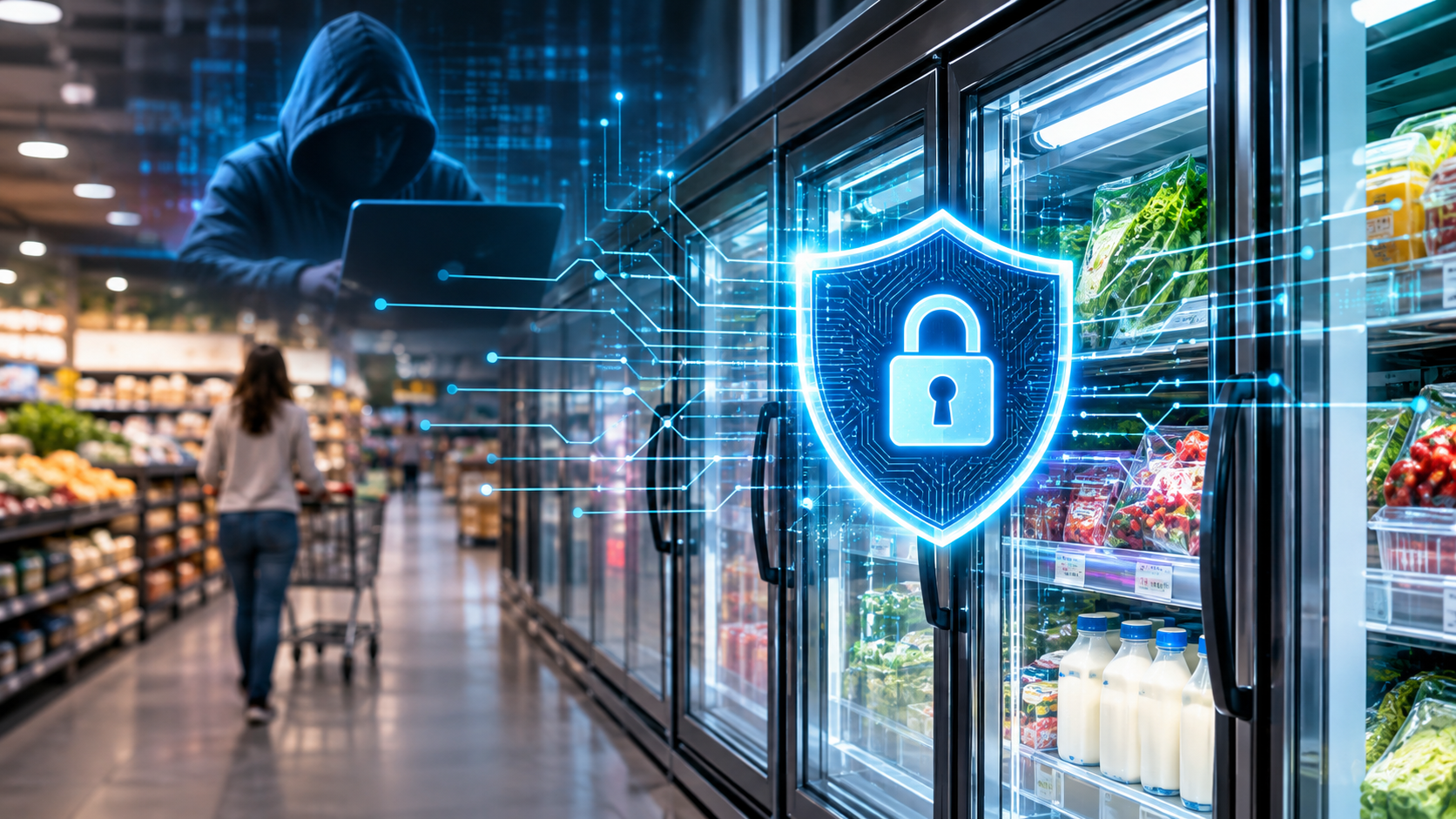
Washington, 11 November 2026 – Grocery stores depend on refrigeration systems to keep fresh food safe and maintain the quality of products stored across their facilities. However, as these systems become increasingly connected to digital networks, they are facing a new kind of risk. Cyberattacks targeting commercial refrigerators, freezers, and temperature monitoring equipment have prompted U.S. federal agencies to call on grocery retailers and cold storage operators to strengthen their cybersecurity measures.
The Cybersecurity and Infrastructure Security Agency (CISA), the Federal Bureau of Investigation (FBI), and the departments of Health and Human Services, Agriculture, and Transportation have issued a joint warning about growing threats to industrial refrigeration systems. The agencies explained that hackers are exploiting weaknesses in internet-connected temperature controllers and refrigeration equipment to interfere with normal operations.
These attacks can have serious consequences. By gaining remote access to refrigeration controls, malicious actors may change temperature settings, force equipment into continuous heating or defrost cycles, or prevent employees from receiving accurate temperature readings. Such disruptions can lead to spoiled food, damaged equipment, financial losses, and potential fire hazards. They may also create food safety concerns when products remain in unsuitable storage conditions without being detected.
The warning follows several incidents involving grocery retailers across Europe. In October 2026, cyberattacks disrupted refrigeration systems at approximately 700 supermarkets in France, resulting in extensive food losses and equipment damage. A further series of incidents affected more than 100 establishments across European countries in early November. Investigations into these incidents are ongoing.
U.S. authorities are also examining suspected cyberattacks involving refrigeration equipment at military commissaries in August. However, officials have not established a connection between these incidents and the attacks reported in Europe.
To reduce these risks, federal agencies are encouraging retailers to review the security of their operational technology systems. Businesses are advised to remove refrigeration controllers from public internet access wherever possible and secure remote connections when they are necessary. Other recommended measures include replacing default passwords, enabling multifactor authentication, installing software updates, and separating refrigeration networks from regular corporate systems.
Companies are also encouraged to replace outdated equipment that no longer receives security support, maintain offline backups, and regularly monitor systems for unusual activity. Setting safe temperature limits and introducing alerts for unexpected changes can help employees respond before problems become serious.
The warning highlights how cybersecurity is becoming an essential part of grocery retail operations. Refrigeration equipment may traditionally be viewed as a facility management responsibility, but its connection to digital networks makes it an important part of business security.
As retailers continue adopting smart technologies and automated monitoring systems, protecting these connected assets will require greater attention. Keeping food safe now depends not just on reliable refrigeration, but also on securing the technology that controls it.



Latest News